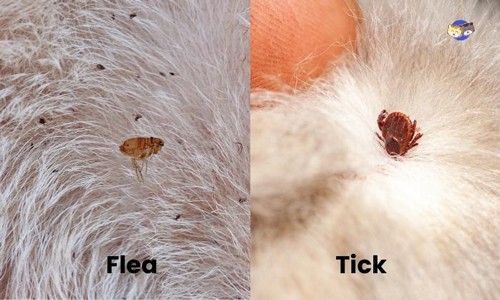
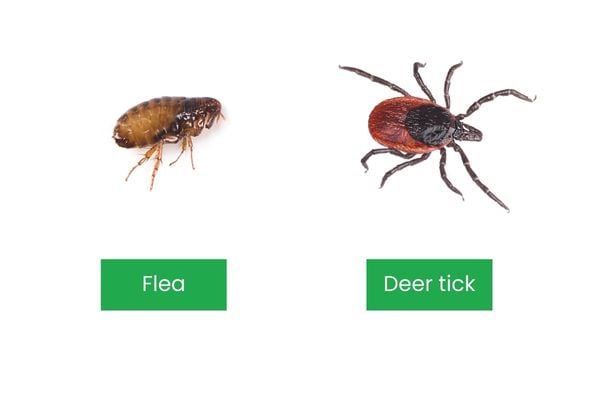
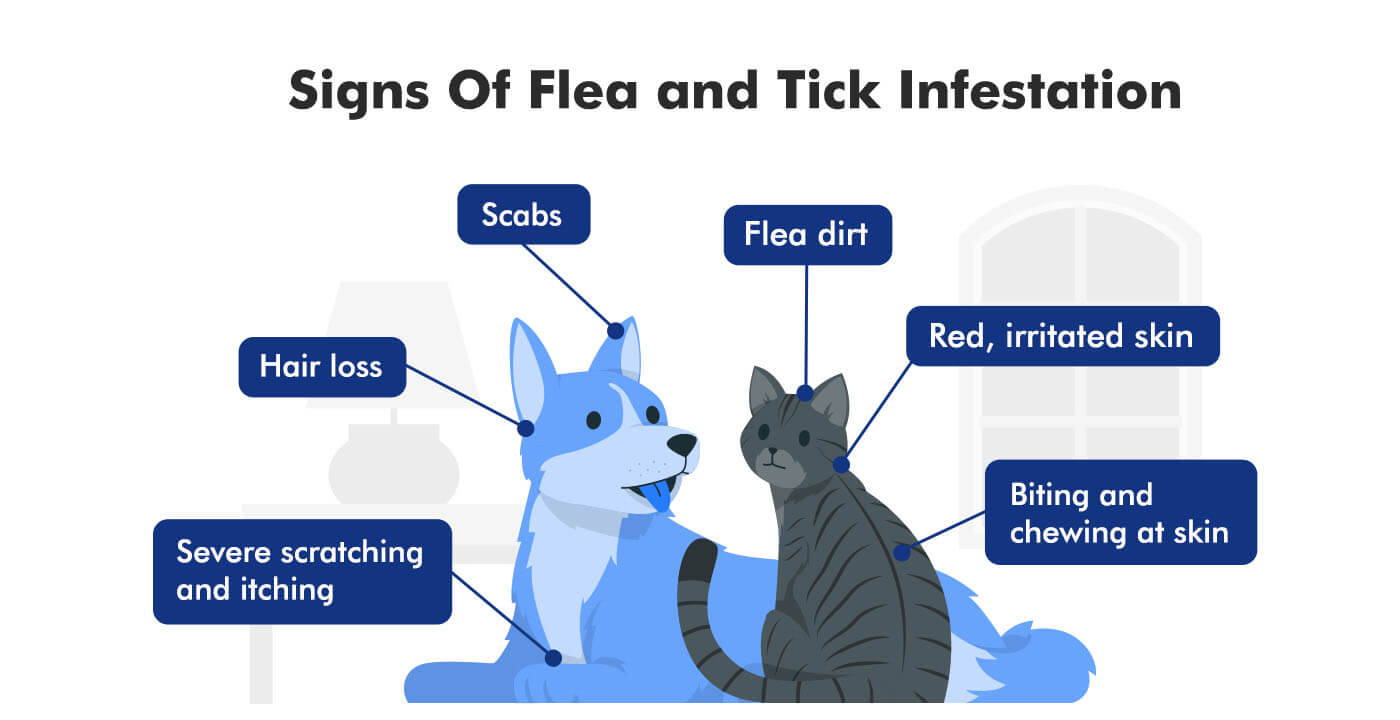
Why Is Flea and Tick Prevention Important for Dogs? Fleas and ticks are ectoparasites, meaning they are pests that live on the outside of their host. For fleas and ticks to survive, they must bite their host and then feed on the blood.
Fleas and ticks are common parasites that can latch onto your pet, causing discomfort and potential health issues.Magnolia Animal Hospital, a trusted vet hospital in Raleigh, can recommend effective preventative measures for pets that are frequently around other animals.
Flea and tick preventives and some medications can interfere with each other, resulting in unwanted side effects, toxicities, or even ineffective doses; its important that your veterinarian is aware of all of your pets medications when considering the optimal flea and tick preventive for your pet.

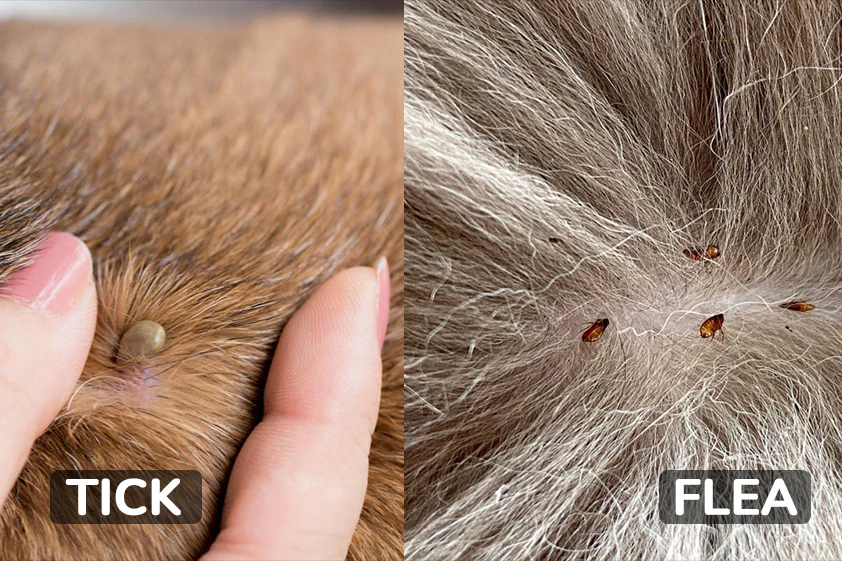
Furthermore, visual representations like the one above help us fully grasp the concept of Flea And Tick Prevention Measures For Pets In High Tick Exposure Areas.
Because ticks are active in temperatures higher than 40 degrees, they remain a year-round threat to your pet in our warm climate. Ticks are considered a significant disease vector, because they can carry multiple bacteria and viruses that they transmit from one pet or person to another.

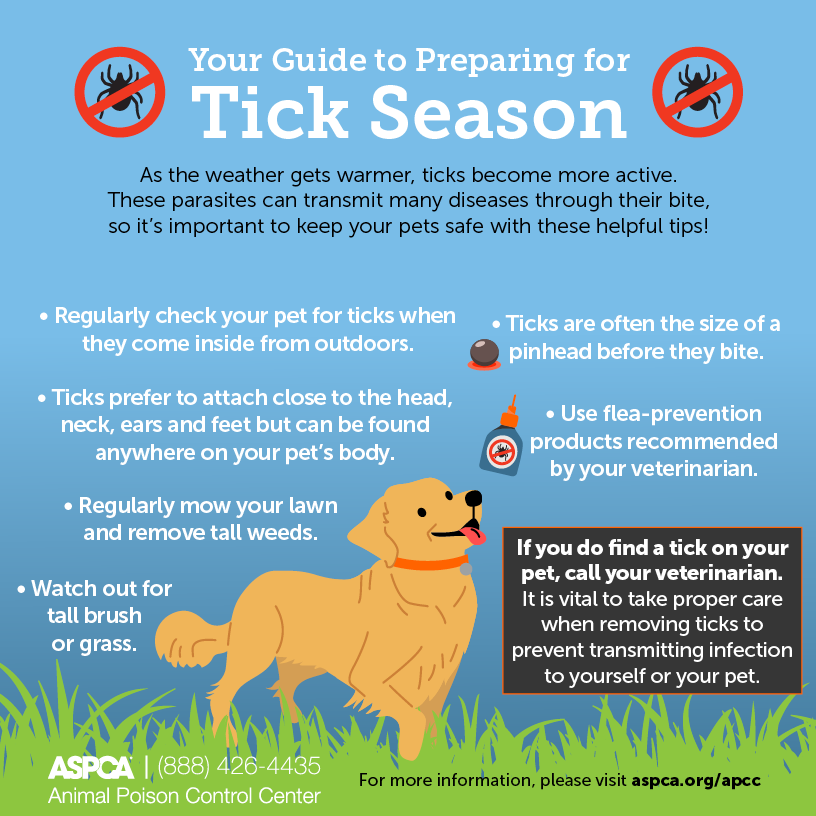
1. Inspect your pet for ticks daily. This is especially important if they've been in areas known to have fleas and ticks, such as wooded or grassy areas. Look for small, dark spots on their skin, paying special attention to ears, between toes, and under the collar.