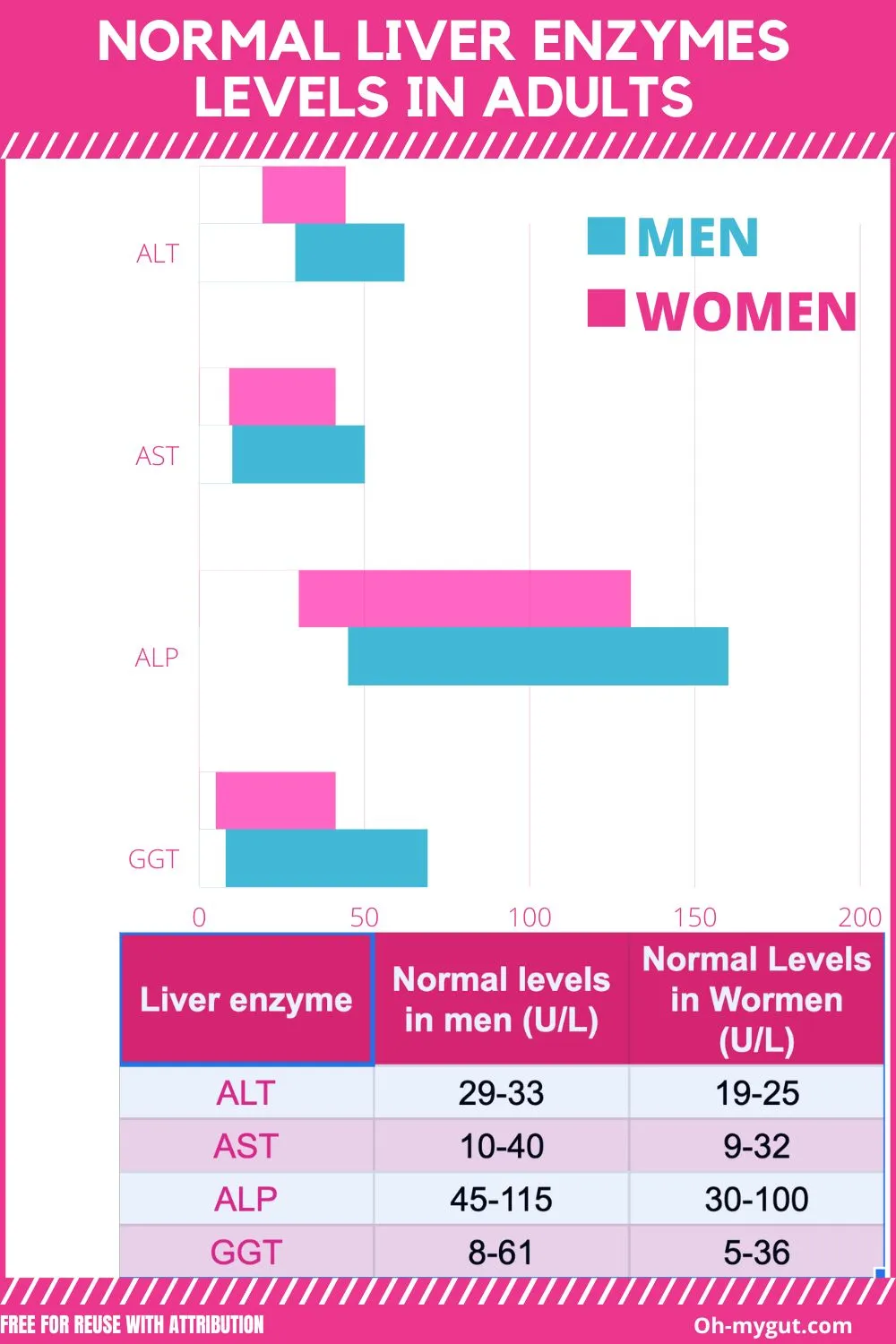
Blood tests will then indicate enzyme levels from the liver and kidneys and bowel functions. They will also show levels of red and white blood cells and platelet levels.
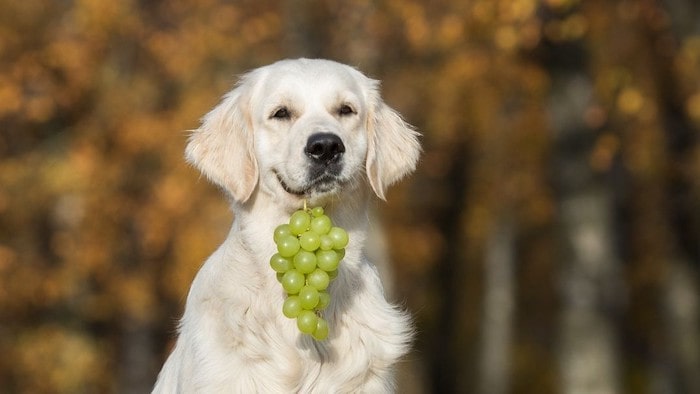
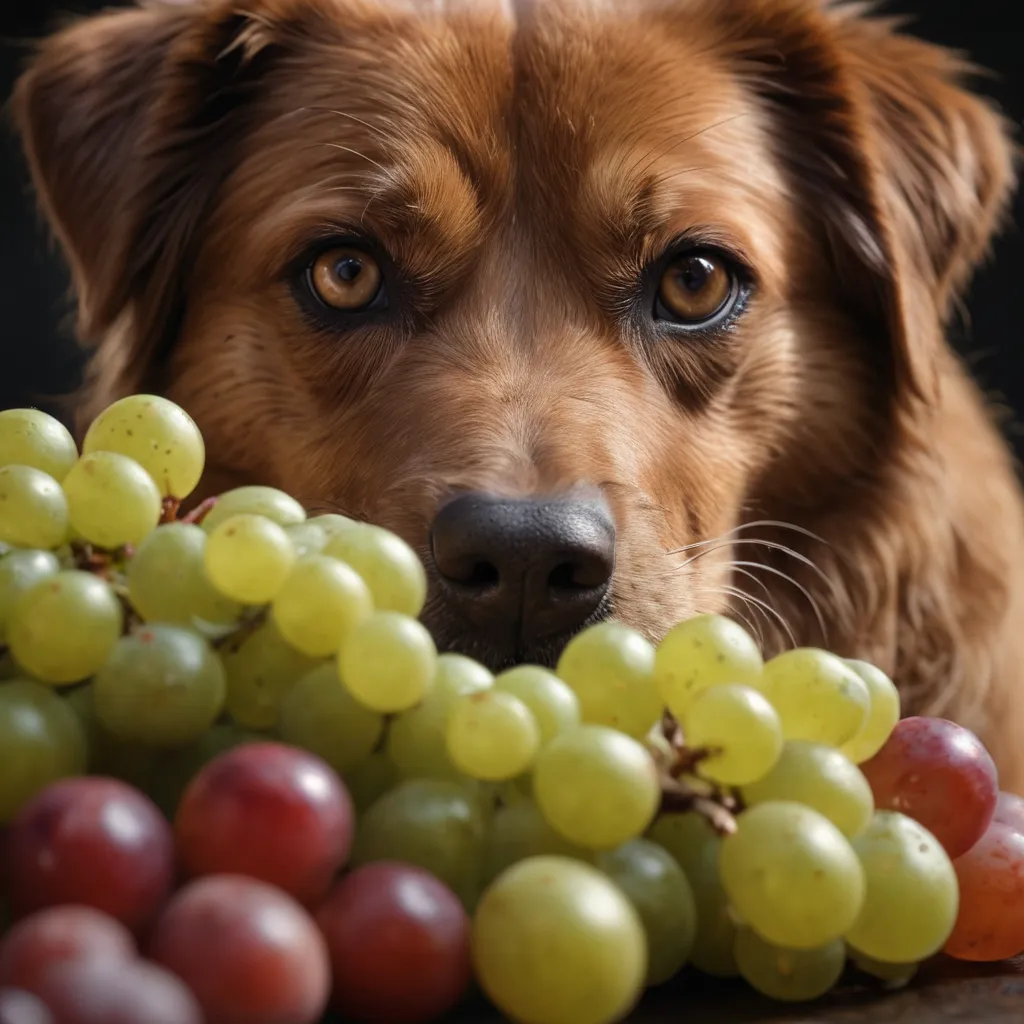
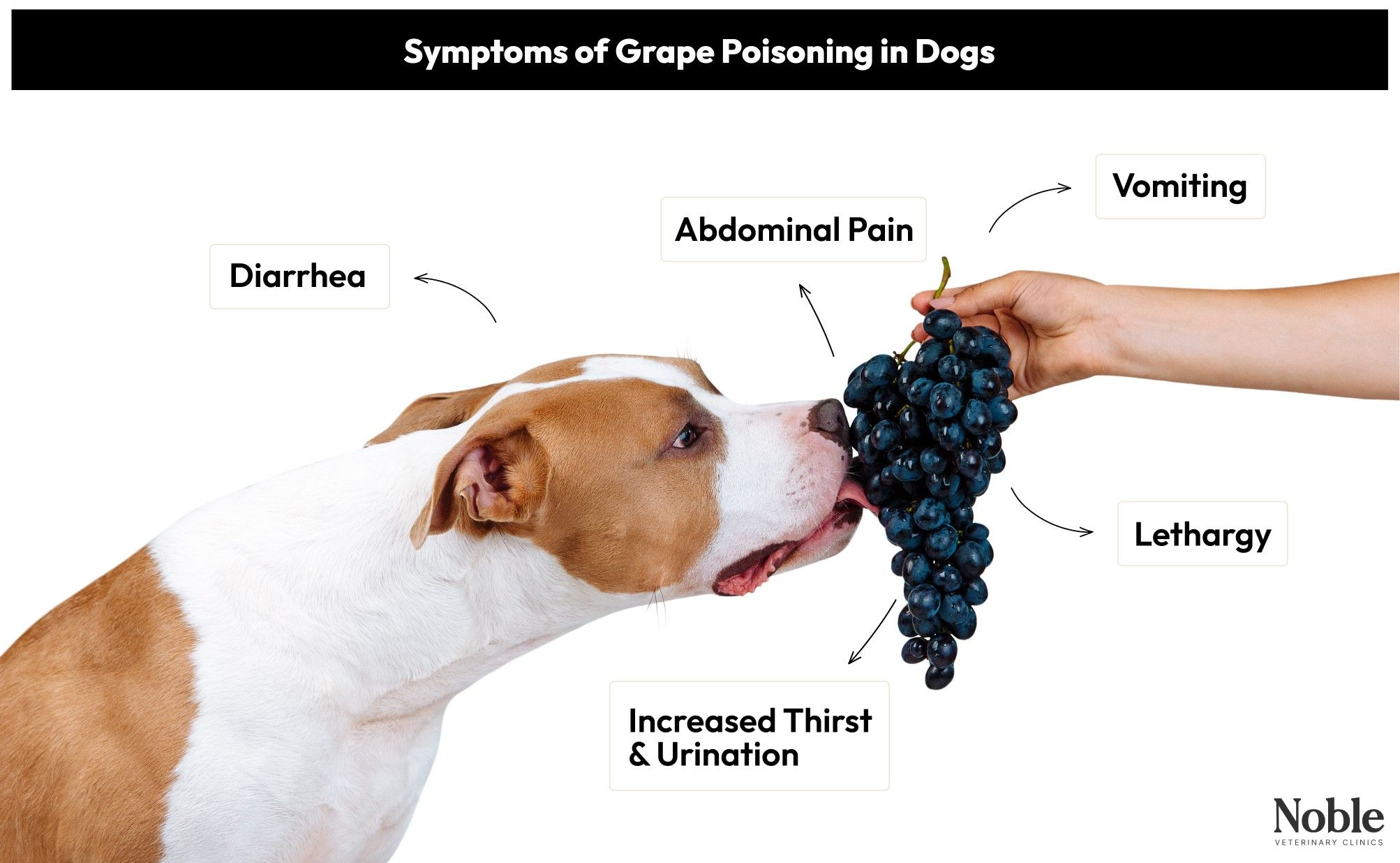
Lets walk through which foods most commonly contribute to high liver enzymes in dogs, why they affect the liver, and what I advise dog owners to change when we see abnormal results. Toxicosis after ingesting grapes, raisins, Zante currants, and tamarinds has been occasionally reported in dogs. Clinical signs include vomiting or diarrhea within 612 hours of ingestion, lethargy, anorexia, polydipsia, dehydration, and elevation of serum creatinine and BUN concentrations. Onions, garlic, grapes, and avocados are known for their potential toxicity. These foods may lead to liver damage and elevated enzyme levels. At this time, the minimum dose reported to cause toxicity in dogs is 0.7 oz/kg of grapes and 0.11 oz/kg of raisins. Clinical signs seen with raisin and grape toxicity usually involve the gastrointestinal system and kid-neys. Certain foods, such as grapes, raisins, onions, garlic, and chocolate, can be toxic to dogs and cause liver damage. Elevated liver enzymes can also be caused by hepatitis, heart failure, endocrine disorders, and dental disease. What happens if a dog eats grapes? Toxicosis after ingesting grapes, raisins, Zante currants, and tamarinds has been occasionally reported in dogs. Clinical signs include vomiting or diarrhea within 612 hours of ingestion, lethargy, anorexia, polydipsia, dehydration, and elevation of serum creatinine and BUN concentrations. Can grapes cause renal failure in dogs? Ingestion of grapes, raisins, and tamarinds has been associated with development of GI upset and anuric renal failure in some dogs. Cases reported to date have been in dogs; anecdotal reports exist of renal failure in cats and ferrets after ingesting grapes or raisins, although there are no published case reports in these species. Can dogs eat grapes & raisins? In general, more than one grape or raisin per 4.5 kg (10 pounds) of body weight may contain enough tartaric acid to pose a risk for renal effects in dogs. Most dogs with grape, raisin, or tamarind toxicosis develop vomiting or diarrhea within 612 hours after ingestion. Can dogs eat grapes if they have oliguria? Dogs that progress to decreased or absent urine production (oliguria or anuria) often have a poorer prognosis. Never feed grapes, raisins, sultanas, Zante currants, or foods containing them to dogs. Store food securely out of reach of dogs. Secure trash bins or compost from dogs accessing them. Remove grape vines in areas where dogs have access. Eating grapes, raisins, Zante currants, or sultanas can cause acute kidney injury (AKI) in dogs. The exact amount of fruit that causes toxicity is unknown, and some dogs may become sicker than others.
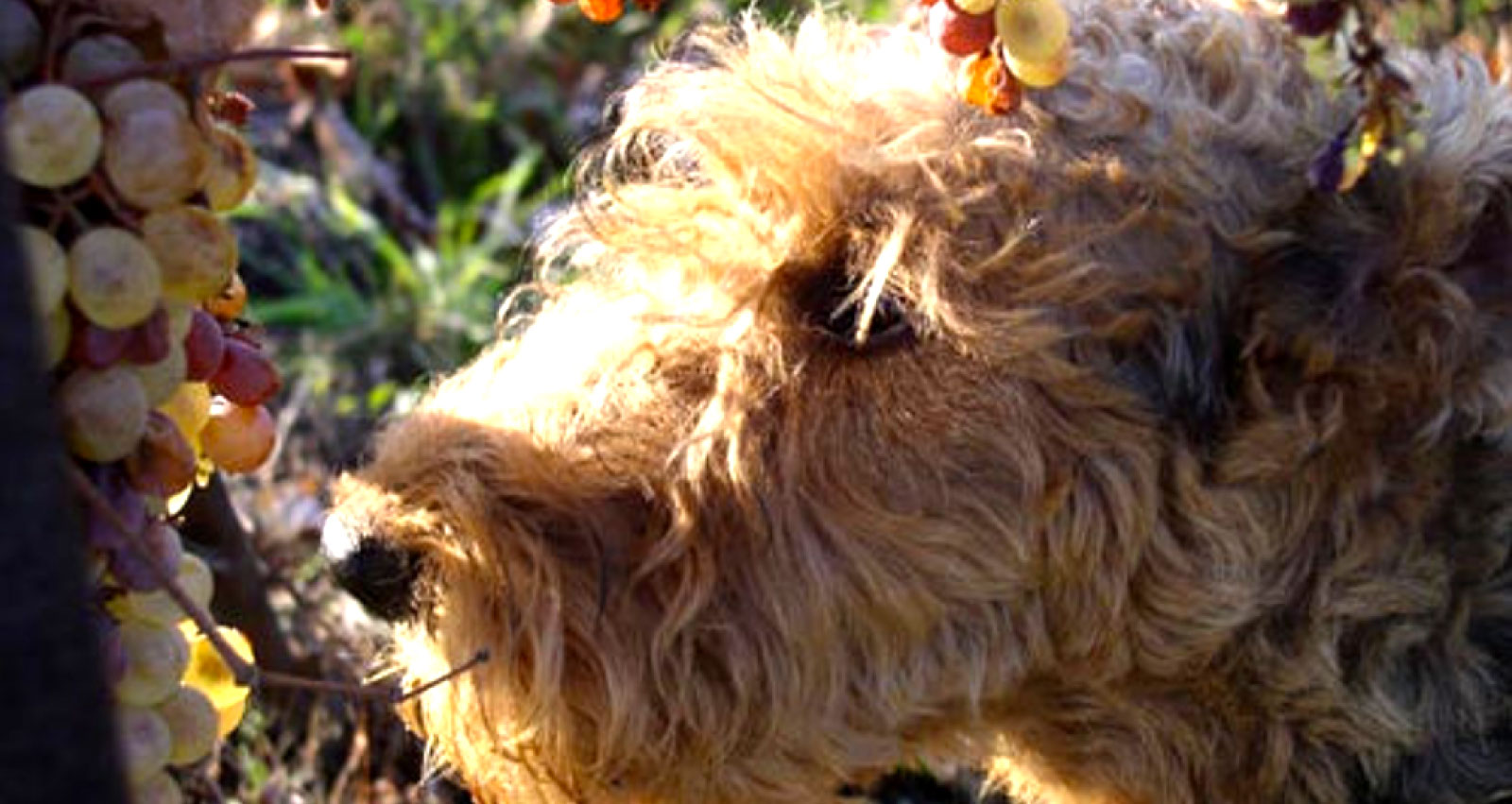
Such details provide a deeper understanding and appreciation for Effects Of Grapes On Dog Liver Enzymes Levels.
Onions, garlic, grapes, and avocados are known for their potential toxicity. These foods may lead to liver damage and elevated enzyme levels.

Certain foods, such as grapes, raisins, onions, garlic, and chocolate, can be toxic to dogs and cause liver damage. Elevated liver enzymes can also be caused by hepatitis, heart failure, endocrine disorders, and dental disease.
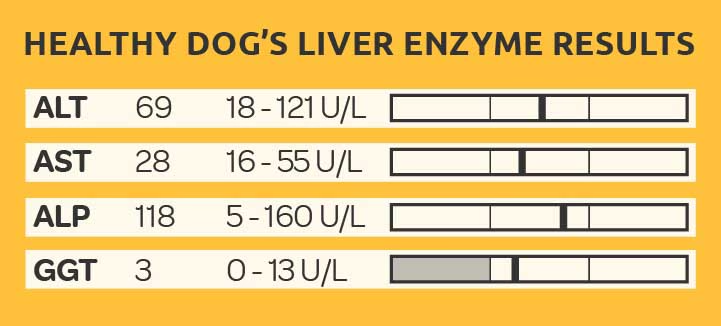
This particular example perfectly highlights why Effects Of Grapes On Dog Liver Enzymes Levels is so captivating.
Common Causes of Elevated Liver Enzymes. Liver enzymes can rise from problems within the liver itself or from diseases elsewhere in the body that secondarily affect the liver. Pancreatitis, intestinal disease, diabetes, and Cushings disease all fall into that second category.