- Dopaminylation has been reported ... regulatory mechanism with various implications in health and disease. Recent studies have unveiled a critical role for dopaminylation in mediating a wide range of physiological processes, be that in the nervous system or beyond. Dopaminylation is known to influence both drug-seeking behaviors (i.e., cocaine, heroin) and differential gene expression programs associated with substance abuse, and has been ...
- Research by Panayotis Thanos suggests that aerobic exercise can help to treat, and even prevent, addiction. Download an environmental portrait of Panayotis Thanos Release Date: This content is archived. ... Current work is looking at whether exercise can normalize dopamine signaling that has been changed by chronic drug use, as this may provide key support of how exercise could serve as a treatment strategy for substance abuse.

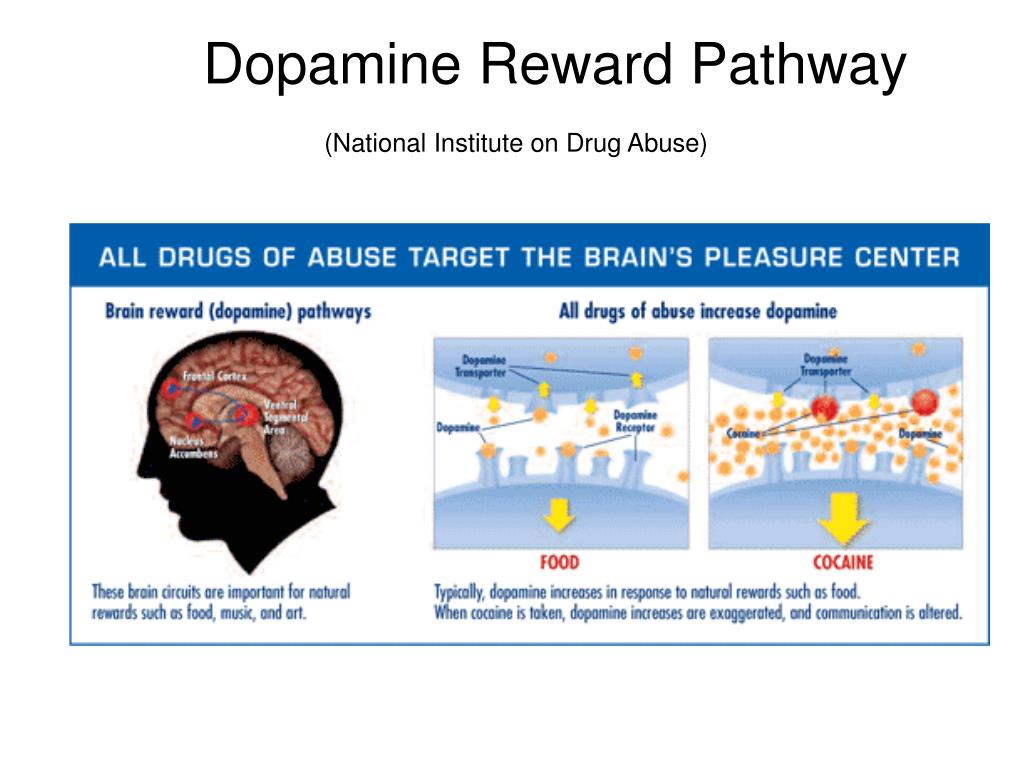
This cycle often leads to increased substance use as individuals seek to restore the previously experienced dopamine highs. Recent research has also identified a potential link between social media use and dopamine production, raising concerns about its addictive qualities and effects on mental health, particularly among adolescents. Understanding dopamine's role in addiction highlights the need for comprehensive approaches to prevention and treatment, as well as the implications of modern technological influences on behavior.

In this study, therefore, we review the latest literature regarding dopamine physiology and cellular pathways including the downstream effects of individual dopamine receptors and the significance of their correlation to substance abuse disorder, reward, motivation, and impulsivity.